

Rethinking Manager Development with AI Coaching
Rethinking Manager Development with AI Coaching
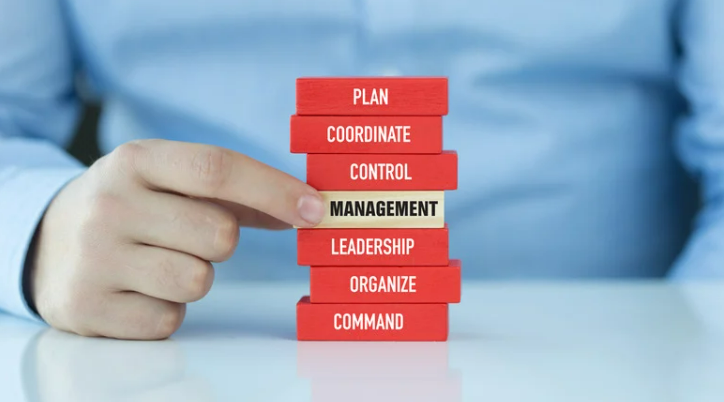
Right now, middle managers are the linchpin between strategy and execution. Yet, too often they find themselves undertrained, overstretched, and under-supported. Traditional manager development—think episodic workshops, one-size-fits-all seminars, and sporadic executive coaching—is no longer sufficient to address the dynamic, complex challenges that frontline leaders face every day. It’s time to rethink manager development with AI leadership development that’s continuous, personalized, and embedded in the flow of work
The Crisis of Middle Management
Enterprises worldwide are grappling with a growing crisis at the middle-management level. Frontline leaders must juggle conflicting priorities: they execute strategic initiatives, manage team performance, and serve as the primary point of contact for employee engagement. Yet, they often lack the core skills needed to excel in these areas:
-
Delegation: Many managers struggle to balance workload distribution without micromanaging or underutilizing their team’s talents.
-
Feedback: Delivering timely, constructive feedback remains a challenge, especially when managers lack confidence in framing difficult conversations.
-
Conflict Resolution: Interpersonal tensions can fester without the right tools for early intervention.
-
Strategic Thinking: Shifting focus from day-to-day firefighting to big-picture planning is daunting when leaders are swamped with operational demands.
These skill gaps lead to low engagement, high turnover, and coaching bottlenecks. Traditional training programs, offsite retreats, generic e-learning modules, and annual leadership academies, fail to adapt to each manager’s unique context. They’re episodic, one-size-fits-all, and disconnected from real-world challenges.
Why AI Coaching Matters
AI-driven coaching transforms manager development from a series of isolated events into a continuous learning experience. Here’s why modern enterprises are turning to manager coaching tools powered by artificial intelligence:
-
Real-Time Feedback
AI coaching platforms analyze communication patterns, meeting transcripts, and project data to deliver micro-feedback at the moment. Imagine a manager preparing for a performance review; AI can suggest phrasing improvements and highlight potential blind spots just before the meeting begins. This on-the-spot guidance helps managers course-correct before small issues become major problems. -
Embedded in the Flow of Work
Unlike offsite workshops, AI coaching lives inside the tools managers already use—Slack, Teams, email, and project-management apps. Learning prompts appear as you work, making coaching feel like part of your daily routine rather than an added chore. This seamless integration ensures higher engagement with the learning experience. -
Personalized, Private, Scalable
Every manager receives tailored recommendations based on their behaviors, role responsibilities, and career aspirations. Privacy is built in: one-on-one sessions with an AI coach allow managers to explore sensitive topics, such as navigating conflict or managing poor performance, without fear of judgment. Importantly, AI scales effortlessly: whether you have 10 managers or 10,000, every leader gets the same high-quality coaching.
From Delegation to Strategic Thinking
AI coaching doesn’t just diagnose problems, it prescribes actionable next steps to build critical leadership skills:
-
Delegation: By analyzing workload patterns and team capacity, AI suggests when and how to assign tasks, ensuring work is distributed equitably and strategically.
-
Delivering Feedback: Natural-language processing reviews draft feedback messages, recommending empathetic language and clear, actionable insights.
-
Conflict Resolution: AI identifies potential flashpoints, overlapping responsibilities or communication breakdowns, and prompts managers to address them with structured conversation guides.
-
Strategic Thinking: By surfacing historical project data and team metrics, AI encourages leaders to step back, recognize trends, and align daily operations with long-term goals.
These capabilities turn every interaction into a micro-learning opportunity, accelerating skill acquisition far beyond what traditional programs can achieve.
Tangible Business Impact
Organizations embracing real-time coaching at work see measurable benefits across key performance indicators:
-
Improved Retention: Managers who feel supported are more likely to stay and champion their teams. In fact, enterprises report up to a 25% reduction in frontline turnover after adopting AI coaching.
-
Increased Productivity: Teams led by AI-coached managers demonstrate up to a 20% boost in project completion rates and on-time delivery.
-
Enhanced Collaboration: Conflict-resolution guidance and communication nudges foster cross-functional teamwork, breaking down silos and speeding decision-making.
By shifting from episodic workshops to an embedded, data-driven approach, organizations unlock leadership capacity at scale, driving both efficiency and innovation.
Contrasting with Traditional Training Programs
It’s worth revisiting why traditional leadership development falls short:
| Aspect | Traditional Programs | AI Coaching |
|---|---|---|
| Timing | Quarterly or annual workshops | Continuous, in-moment learning |
| Relevance | Generic content | Contextualized to role and real-time needs |
| Scalability | Limited by coach availability | Infinite, automated scalability |
| Engagement | Low post-session retention | High, due to embedded prompts and reminders |
| Measurement | Surveys and self-reports | Objective metrics from actual behavior change |
Traditional models rely on managers to remember and apply lessons long after the workshop ends. AI coaching, by contrast, makes every day a learning day, ensuring knowledge translates to behavior change.
Shifting the Mindset – Embedded Learning
To truly modernize manager development, organizations must embrace a mindset shift:
-
From Episodic to Continuous
Treat coaching not as a perk, but as an integral part of the employee experience. -
From Generic to Personalized
Leverage data-driven insights to tailor development to each manager’s needs. -
From Detached to Embedded
Integrate learning into existing workflows and communication channels.
This paradigm shift ensures that leadership development keeps pace with evolving business challenges, and equips every manager to lead with confidence.
